
Understanding Casino Games
To develop effective casino strategies, one must first understand the different types of casino games available. From slot machines to table games like blackjack and poker, each game has its unique rules, odds, and payout structures. Recognizing this diversity is crucial, as it allows players to tailor their strategies according to the game they choose to play. For instance, while slots rely heavily on luck, games like blackjack incorporate elements of skill and strategy that can significantly increase a player’s chances of winning. Additionally, when seeking reliable sources for gaming strategies, some may even explore options like the best casino not on gamstop to find more information.
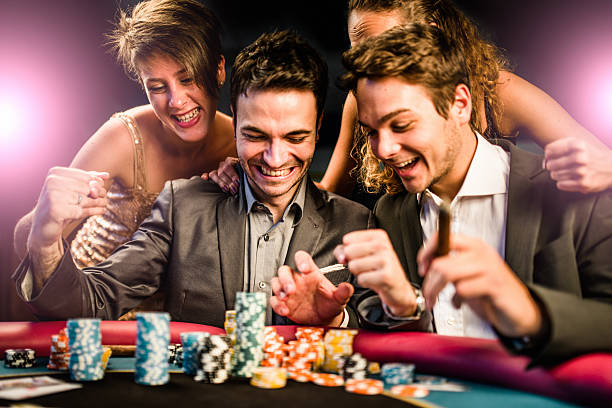
Additionally, the house edge varies between games, influencing your long-term profitability. Games with a lower house edge, such as blackjack and baccarat, typically offer better odds for players. Therefore, educating oneself about these games and their mechanics is the first step towards developing a winning strategy in a casino environment.
Bankroll Management Techniques
One of the cornerstones of successful gambling is effective bankroll management. This involves setting a budget for your gaming activities and sticking to it, which is essential for sustaining your play over time. Players should determine how much money they are willing to risk and divide that into smaller units that allow for multiple betting opportunities. This technique prevents one from depleting their bankroll in a single session and fosters a more enjoyable gaming experience.
Moreover, it is vital to differentiate between a player’s bankroll and the amount one is willing to bet on individual games. Establishing limits on both fronts and practicing disciplined wagering can mitigate losses and prolong one’s sessions at the casino, thus increasing the chances of hitting significant wins.
Game-Specific Strategies
Each casino game comes with specific strategies that can help maximize winnings. In blackjack, for example, employing strategies such as basic strategy charts can guide players on when to hit, stand, double down, or split. This statistical approach reduces the house edge and enhances the likelihood of winning. Poker, on the other hand, requires an understanding of opponent behavior and betting patterns, along with sound bluffing strategies, to secure victories.
Slots, while mostly luck-based, can also benefit from strategic play. Choosing machines with higher return-to-player (RTP) percentages increases the probability of winning in the long run. Moreover, understanding payout structures and betting limits can also enhance a player’s overall experience on these machines.
The Psychology of Gambling
The psychology behind gambling significantly influences how players approach strategies. Understanding one’s emotional responses to wins and losses can help players maintain composure under pressure. It is vital to remain objective and resist the urge to chase losses, which is a common pitfall among gamblers. Emotional control can be just as important as any strategy employed in the casino.
Furthermore, recognizing cognitive biases, such as the gambler’s fallacy, can deter players from making impulsive decisions. By developing a strong mental game, gamblers can make informed choices that align with their strategic objectives rather than being swayed by emotions.

Empowering Casino Enthusiasts
At Plasticoceans.uk, we believe that knowledge is the key to unlocking potential in any field, including casino gaming. Our commitment to raising awareness and promoting informed choices extends to the world of gambling. By understanding strategies, bankroll management, and psychological elements, players can approach casinos with confidence and a greater chance of success.
We encourage our readers to not only enjoy their gaming experiences but to do so responsibly and sustainably. Just as we are dedicated to combating plastic pollution and protecting marine environments, we also advocate for a balanced approach to gaming, ensuring that it remains a form of entertainment rather than a source of stress or addiction.